EMDR Therapy Mental Health Improvements
EMDR Therapy Mental Health Improvements include better emotional regulation, reduced anxiety, and improved overall psychological well-being.
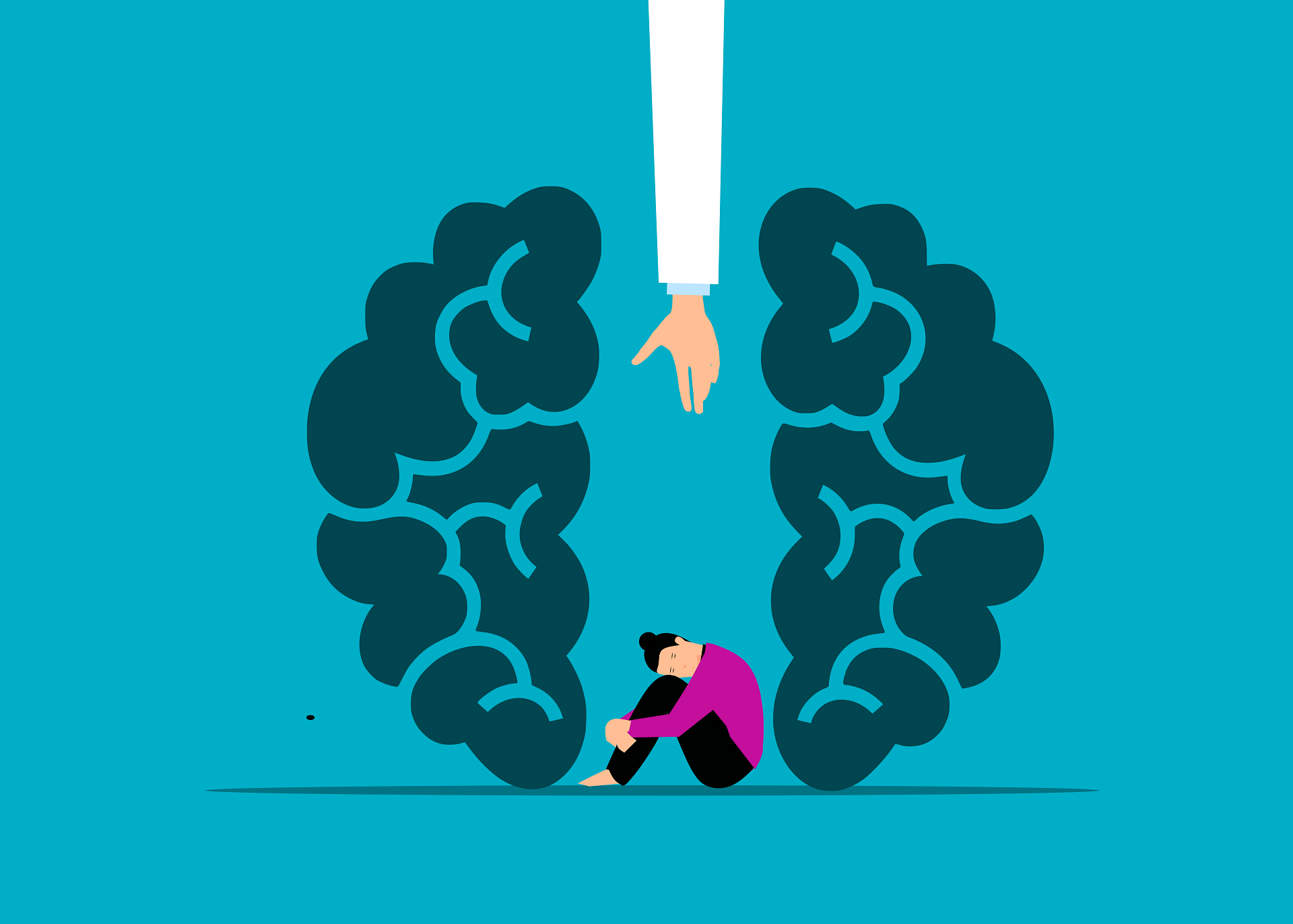
EMDR Therapy Mental Health Improvements include better emotional regulation, reduced anxiety, and improved overall psychological well-being.
EMDR (Eye Movement Desensitization and Reprocessing) helps your brain reprocess distressing memories, reducing the intensity of triggers, intrusive thoughts, and negative self-beliefs. This often leads to calmer mood, better sleep, and improved daily functioning.
EMDR has strong evidence for PTSD and is also used for anxiety, panic, phobias, depression related to adverse experiences, complicated grief, and some trauma-related chronic pain. A licensed EMDR clinician can assess whether it fits your needs.
Single-incident trauma may improve within 3–6 sessions, while complex histories can take weeks to months. EMDR is generally safe with trained providers; temporary increases in emotion or vivid dreams can occur. Learn more at https://mind-guide.chi3.vultrobjects.com/index.html